Dental Emergency? Same-day appointments available. Call now: Cary Dental Arts: (919) 297-2701 | Wake Dental Arts: (919) 297-8858

Service category

Sleep Dentistry

Sleep Dentistry education, treatment options, technology, FAQs, and appointment links for Cary Dental Arts and Wake Dental Arts.

Patient education

Sleep Dentistry at Dental Arts

Connect airway analysis, physician-coordinated sleep apnea care, custom oral appliances, snoring care, night guards, TMJ therapy, and Fotona NightLase education in one patient-friendly section.

Patients may be concerned about snoring, mild to moderate obstructive sleep apnea, CPAP intolerance, jaw tension, grinding, dry mouth, morning headaches, or daytime fatigue. Dental sleep care begins with screening and may include referral coordination when a medical sleep diagnosis or physician prescription is needed.

CBCT airway analysis3D digital scanCustom oral appliance designMandibular advancement therapyFotona NightLase
Sleep Dentistry modern dental treatment illustration
Sleep Dentistry: care steps
  1. Sleep and snoring screening
  2. Physician diagnosis or sleep-test coordination when needed
  3. Digital records for a custom oral appliance
  4. Appliance fitting and jaw-position setup

Technology used

Digital tools used when they improve sleep dentistry planning.

These product images are used where relevant, so patients can connect the technology to the actual service workflow.

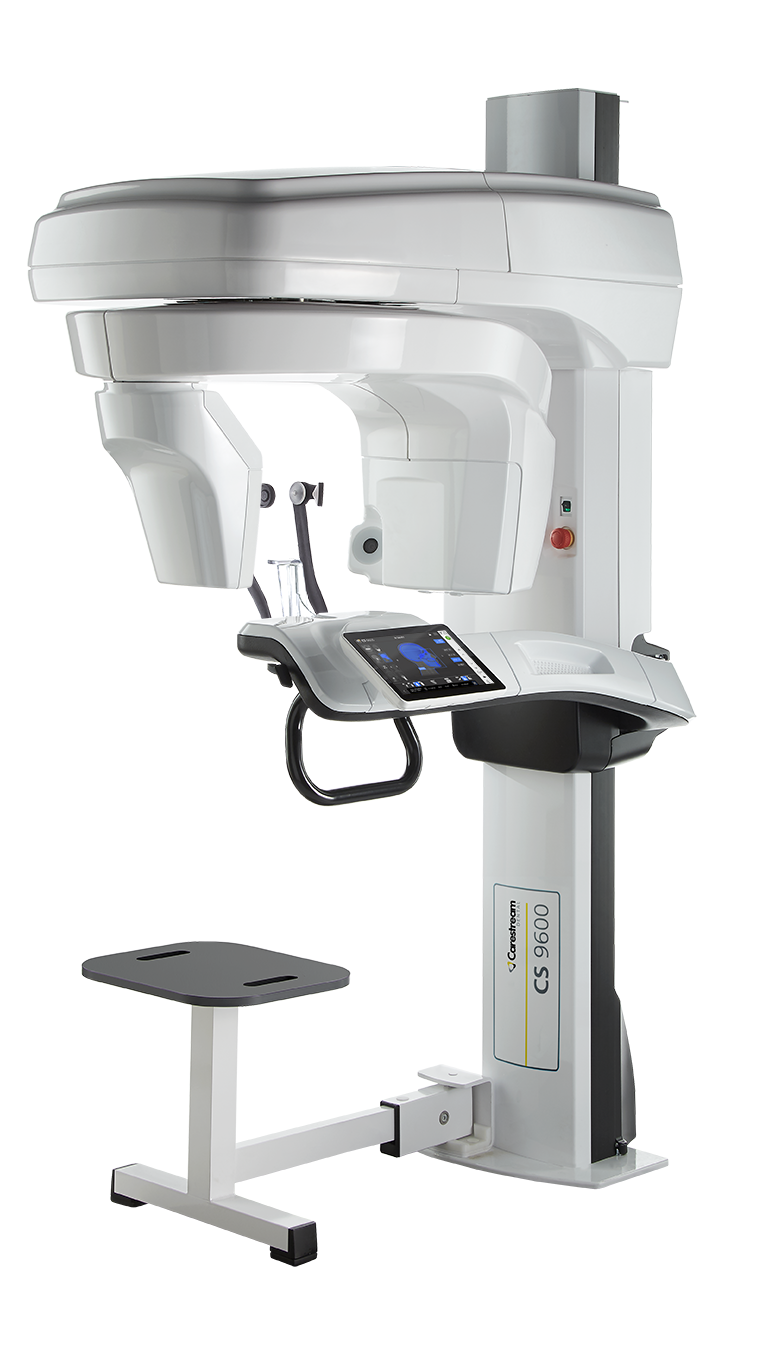
Carestream CS 9600
Carestream CS 9600
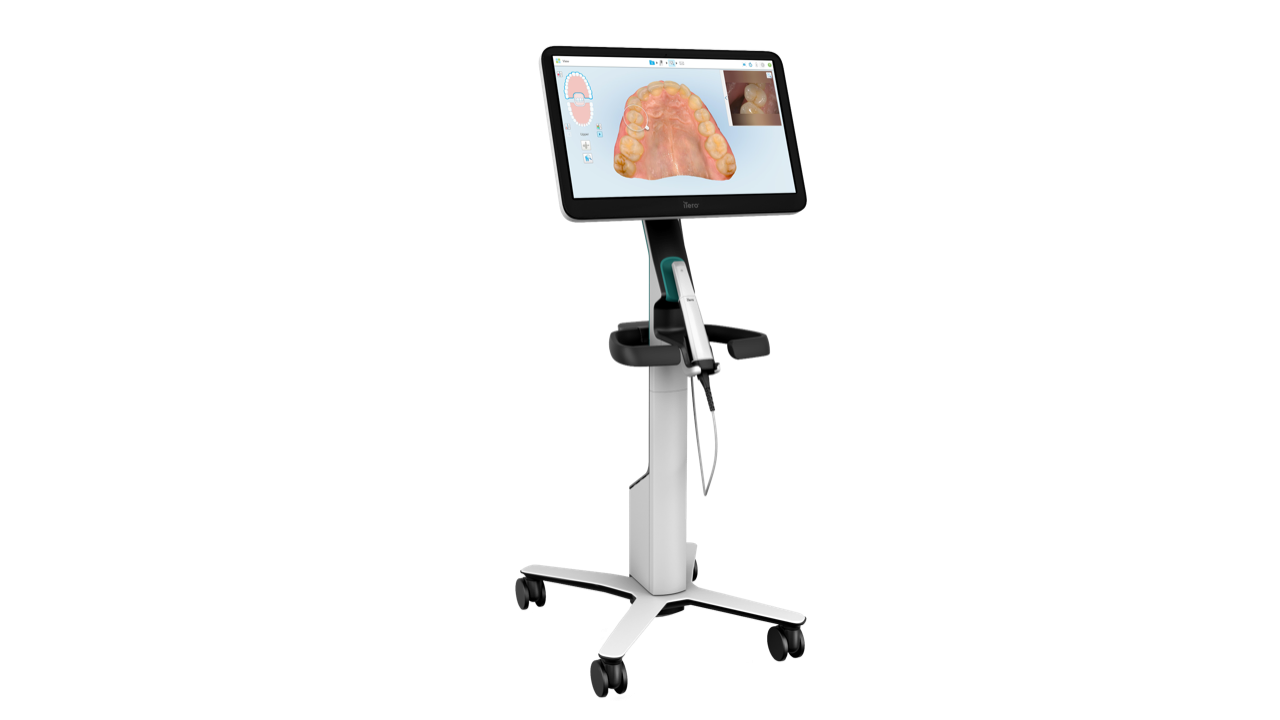
iTero Lumina 3D Scanner
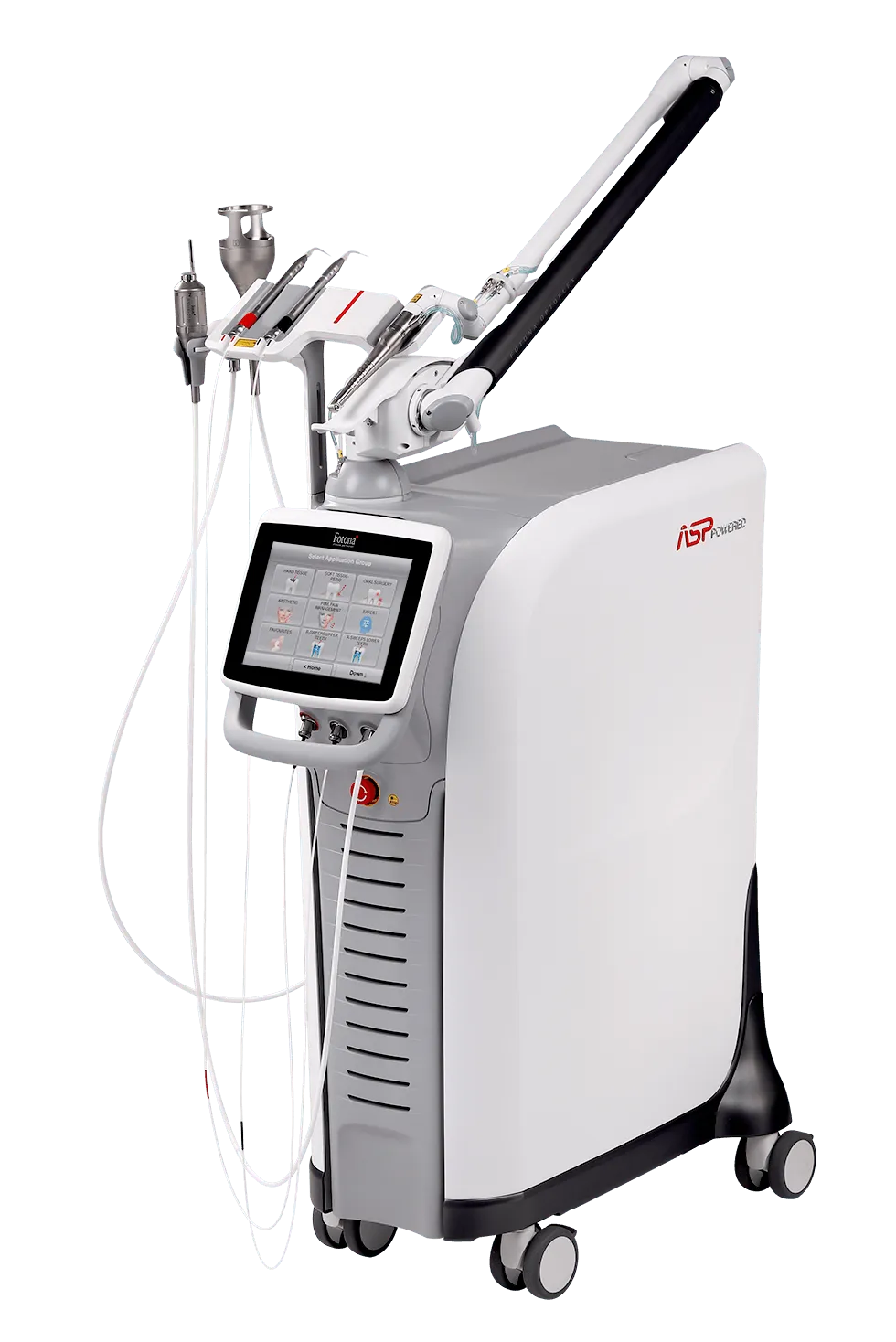
Fotona LightWalker AT-S

Oral Appliance Therapy for Sleep Apnea

Oral appliance therapy uses a custom-fit dental device worn during sleep. For appropriate patients, the appliance gently advances or stabilizes the lower jaw so the airway has more room to stay open.

Dental Arts uses digital records and appliance fitting visits to support comfort, effectiveness, and long-term follow-up. Sleep apnea diagnosis and treatment decisions should be coordinated with a physician or sleep medicine provider.

What Follow-Up Includes

  • Custom appliance fitting and comfort checks.
  • Gradual adjustment of jaw position when appropriate.
  • Monitoring for jaw soreness, bite changes, tooth movement, or appliance wear.
  • Communication with the sleep physician when follow-up sleep testing or medical review is needed.

6 Steps to Starting Oral Appliance Therapy

  1. Screening questions, health history, and airway risk review.
  2. Physician diagnosis, sleep evaluation, or sleep test when needed.
  3. Digital scan or impressions for a custom oral appliance.
  4. Fitting visit and lower-jaw positioning for comfort and airway support.
  5. Follow-up visits to adjust the appliance and monitor response.
  6. Daily use, cleaning, travel, and yearly reassessment.

Why the Steps Matter

The goal is not just to make an appliance. The goal is a comfortable device that is used consistently, supports the airway, and stays coordinated with the patient's medical sleep care.

Follow-up is important because the appliance may need adjustment over time and because symptoms alone do not always prove that sleep apnea is controlled.
Fotona NightLase Education

NightLase is a Fotona laser protocol used for appropriate snoring and sleep-breathing cases. The visit uses gentle laser warming of selected oral soft tissues to support collagen remodeling and tissue tightening around the airway.

A typical protocol may involve 3 to 5 short visits spaced over several weeks. It is non surgical, does not replace medical sleep testing, and works best when paired with proper screening and follow-up.

When We Consider It

  • Snoring or mild sleep-related airway concerns.
  • Patients exploring a non surgical adjunct to oral appliance therapy.
  • Patients who need airway screening before choosing next steps.
  • Patients who understand that results and maintenance needs vary.

Oral Appliance FAQs

What is oral appliance therapy?

Oral appliance therapy uses a custom-fit device worn during sleep. Many appliances gently advance or stabilize the lower jaw so the airway has more room to stay open.

Who can benefit from an oral appliance?

Oral appliances are often considered for snoring and mild to moderate obstructive sleep apnea, especially for patients who cannot tolerate CPAP or need a physician-approved alternative.

Do I need a sleep study first?

A dentist can screen for risk, but obstructive sleep apnea is a medical diagnosis. Many patients need a physician evaluation or sleep test before appliance therapy is recommended.

Is a sleep appliance the same as a night guard?

No. A night guard protects teeth from grinding. A sleep apnea oral appliance is designed to support the airway by changing jaw position during sleep.

How often does the appliance need adjustment?

Most patients need fitting and follow-up visits. Adjustments may improve comfort, jaw position, and effectiveness while monitoring bite, tooth, and jaw changes.

How do I care for the appliance?

Patients should clean the appliance daily, store it safely, bring it to follow-up visits, and contact the office if it feels loose, damaged, or uncomfortable.

NightLase FAQs

What is Fotona NightLase?

NightLase is a non surgical laser protocol that gently warms selected oral soft tissues. The goal is to support tissue tightening around the airway and reduce snoring for appropriate candidates.

How many NightLase sessions are typical?

Fotona describes a typical protocol as 3 to 5 sessions, often spaced about 21 days apart. Timing is personalized based on screening, comfort, and tissue response.

Does NightLase hurt or require anesthesia?

NightLase is designed as a gentle laser visit. Many patients do not need anesthesia and return to normal routines afterward, although comfort and instructions vary by patient.

Is NightLase a cure for sleep apnea?

No. NightLase may support snoring or mild sleep-breathing concerns in selected patients, but it does not replace sleep testing, CPAP, physician care, or oral appliance therapy when those are needed.

Can NightLase and an oral appliance be combined?

Sometimes. Some patients may be better suited for an appliance, some for NightLase, and some for a combined plan. The recommendation depends on airway screening, medical diagnosis, anatomy, and goals.

How long do NightLase results last?

Results vary. Some patients need maintenance sessions over time, and ongoing follow-up is important because snoring and sleep-breathing symptoms can change.

Treatment options

Explore sleep dentistry services.

Each page is written for patients first, with search-friendly headings, practical expectations, technology context, and internal links to related care.

Typical Process

  1. Sleep and snoring screening
  2. Physician diagnosis or sleep-test coordination when needed
  3. Digital records for a custom oral appliance
  4. Appliance fitting and jaw-position setup
  5. Follow-up visits and appliance adjustments
  6. Long-term care, cleaning, and yearly reassessment

Common Questions

What is oral appliance therapy for sleep apnea?

Oral appliance therapy uses a custom-fit device worn during sleep. Many appliances gently hold the lower jaw forward to help keep the airway more open and reduce airway collapse for appropriate patients.

Who is a good candidate for an oral appliance?

Oral appliances are commonly considered for snoring and mild to moderate obstructive sleep apnea, especially when a patient cannot tolerate CPAP or prefers a physician-approved alternative. A sleep physician diagnosis and dental evaluation help determine suitability.

Is an oral appliance the same as a night guard?

No. A night guard mainly protects teeth from grinding. A sleep apnea oral appliance is designed to help position the jaw and support the airway during sleep.

How is a sleep appliance made?

The process usually includes a dental exam, bite evaluation, digital scan or impressions, appliance design, fitting, and adjustment visits. Follow-up is important to check comfort, jaw response, bite changes, and treatment effectiveness.

What is Fotona NightLase?

NightLase is a non surgical laser treatment concept that gently warms selected oral soft tissues. The goal is to support tissue tightening in the airway area and reduce snoring for appropriate candidates.

How many NightLase visits are usually needed?

Fotona describes a typical NightLase protocol as 3 to 5 sessions, often spaced about 21 days apart. Your Dental Arts team will personalize timing based on your screening, tissue response, comfort, and sleep goals.

Does NightLase require anesthesia or downtime?

NightLase is designed as a gentle, non surgical laser visit. Many patients return to normal routines afterward, although individual comfort and instructions can vary.

Can NightLase replace a sleep study or CPAP?

No. Snoring can be related to obstructive sleep apnea, which is a medical condition. Dental Arts can screen, educate, and coordinate with physicians, but patients with suspected sleep apnea may still need a sleep test or medical management.

How do oral appliances and NightLase compare?

An oral appliance helps reposition the lower jaw during sleep. NightLase is a laser soft tissue approach. Some patients may be better suited for one option, while others may need a combined or referral-based plan.

Dental Health & Concerns

Learn more about your dental health and care options.

Explore related conditions and treatment guides before your visit.

Next action

Book, call, or route this visit to the right location.