Dental Emergency? Same-day appointments available. Call now: Cary Dental Arts: (919) 297-2701 | Wake Dental Arts: (919) 297-8858

Unique to You ยท Oral Conditions

TMJ Disorders

TMJ Disorders explained in clear patient-friendly language, including what to notice, what a dentist may review, and questions to ask.

Oral Conditions

Jaw-joint and muscle symptoms may include soreness, limited opening, clicking, headaches, or pain with chewing.

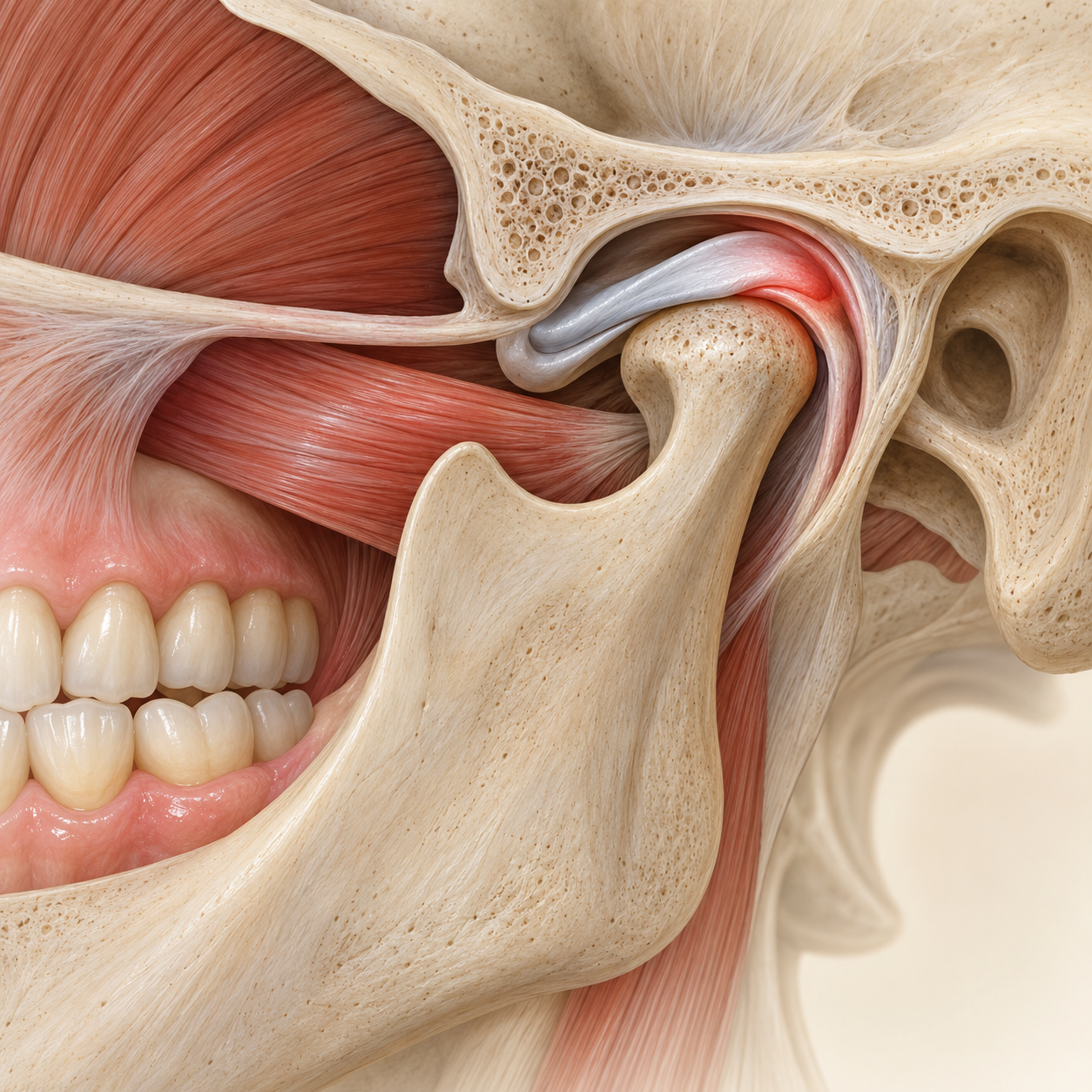
Clinical illustration of tmj disorders

Evidence-based guidance

Practical steps for tmj disorders.

Overview

Temporomandibular disorders, or TMDs, are a group of conditions affecting the jaw joints, chewing muscles, and related tissues. Symptoms vary widely, and jaw pain must be assessed carefully because dental, nerve, headache, sinus, and medical conditions can feel similar.

Causes

  • Temporomandibular disorders involve the jaw joints, chewing muscles, or associated tissues and often have more than one cause.
  • Injury, arthritis, muscle overuse, and pain-processing factors may contribute; clicking alone does not necessarily indicate disease.

Contributing Factors

  • Clenching, gum chewing, nail biting, prolonged jaw postures, poor sleep, stress, and other chronic pain conditions may aggravate symptoms.
  • Pain in the mouth, face, or jaw may come from a tooth, sinus, nerve, headache disorder, or other condition rather than the joint.

Symptoms

  • Symptoms may include jaw or facial pain, limited or painful opening, locking, tenderness, headaches, or painful clicking and popping.
  • Joint sounds without pain or restricted movement are common and often do not require treatment.

Diagnosis

  • The clinician reviews onset, injury, habits, sleep, headaches, and other pain, then examines jaw motion, joints, muscles, teeth, and nerves.
  • X-ray, MRI, or CT is reserved for situations where imaging can answer a specific diagnostic question.

Prevention

  • Avoid overloading a sore jaw, reduce clenching and nonfood chewing, use comfortable posture, and address sleep and stress contributors.
  • Avoid irreversible bite changes or surgery without a clear diagnosis and appropriate specialist assessment.

Treatment

  • Initial care is usually conservative and reversible: temporary softer foods, heat or cold, gentle exercises, habit modification, and appropriate pain medicine.
  • Persistent or complex problems may involve physical therapy, an oral appliance, behavioral care, medication, or specialist referral; surgery is uncommon.

Explore care

Related Dental Arts services

Next action

Book, call, or route this visit to the right location.